Southern Lebanon: From forgotten locality to global influence
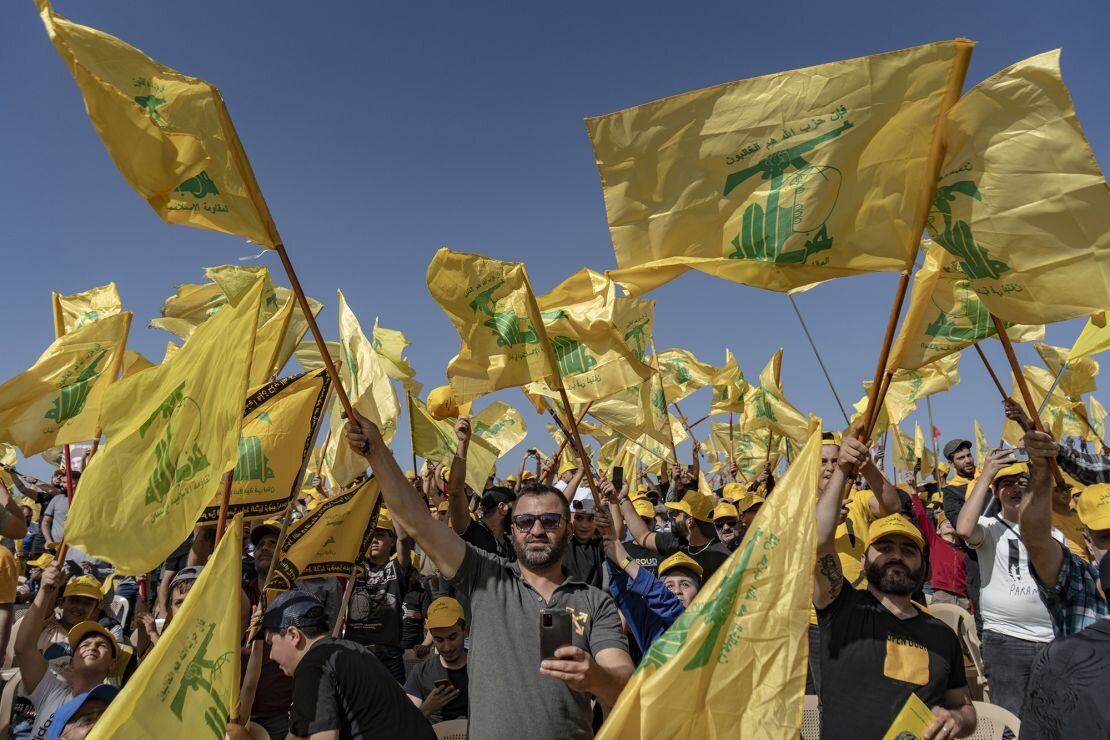
LONDON - It is clear that the main goal of direct negotiations with Israel is to remove Lebanon from the Iranian-American negotiation table. The aim is not to give Lebanon anything, even symbolically, but to impose what it must do where the Israeli occupation entity failed, namely, confronting the resistance directly.
They did not sit with Lebanon to negotiate and give, but to dictate and take. In this phase, Beirut may be pushed to define its political direction toward eliminating the Lebanese resistance movement, especially after the Israeli occupation entity has so far failed to do so. This could mean pressuring the government to carry out this mission, potentially dragging Lebanon into conflict between the army and the resistance movement, or among political factions, and thereby igniting a civil war.
Negotiations were initiated to impose demands while completely ignoring the issue of occupation and Israeli military operations.
Lebanon cannot even raise these issues or demand Israeli withdrawal. At most, it can request a ceasefire, giving the occupation entity the time to impose its conditions. Meanwhile, withdrawal, the return of displaced people, the release of prisoners, and reconstruction are all tied solely to Israeli agendas and capabilities.
The key question is: Can the Israeli occupation regime maintain a stable position inside Lebanon? How many kilometers deep can it occupy to create a depopulated buffer zone?
Security for Israeli forces and settlers becomes the defining factor. However, even with a buffer zone, resistance methods and guerrilla warfare, drones and missiles cannot be stopped, as they can reach hundreds of kilometers. As long as occupation exists, the resistance movement’s capabilities will continue to develop. It can also impose long-term costs through guerrilla warfare. Therefore, military control cannot truly provide the security the entity claims it seeks.
Instead, the goal is to weaken the Lebanese resistance front to the point where it can no longer influence events and to cut off its supply lines, something the entity is pushing hard for in a race against time.
This urgency is driven by international pressure, especially given Iran’s control of the Strait of Hormuz, which reduces pressure on the Lebanese resistance movement. However, achieving results against a strong and prepared resistance army is extremely difficult. Iranian support also contributes to international pressure, prompting countries like Britain, France, Germany, and Italy to call for Lebanon to be included in a ceasefire between the U.S. and Iran.
The global situation now demands stability more than ever due to economic factors affecting all countries. This elevates the issue beyond local and regional levels to global economic impact, something the Israeli occupation entity cannot bear.
Even with U.S. support, it would face a global dilemma, as Iran’s position affects the global economy, including America’s. Global economic stability and energy supply chains, critical for growth, require de-escalation. The entity, being relatively small, cannot override these major international interests for expansionist aims or settler security.
Southern Lebanon has therefore moved from a neglected local issue to one with major global consequences, greater than the Israeli occupation entity itself. This is why we see repeated European statements calling for Lebanon to be included in ceasefires and for Israel’s wars to be limited. With elections and pressing economic concerns affecting every individual, prices, supply, and purchasing power, the Israeli occupation entity's wars are increasingly seen as harmful to global stability, contributing to inflation and rising costs. This leads to growing international pressure to stop these wars.
As a result, Iran’s allies gain strength and legitimacy on the global stage. This will lead to changes not only in Lebanon, but also in Iraq and Yemen, with eventual recognition of these forces as realities that the West has failed to eliminate, despite massive destruction. In the end, recognition may become the only remaining option.
Leave a Comment